
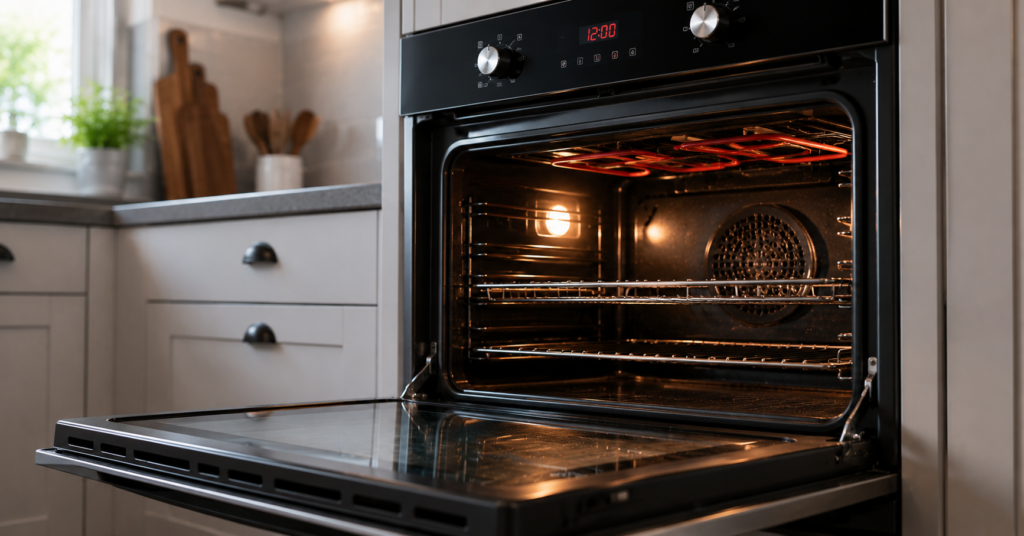
Does your oven stay cold during cooking and baking times at home? Slow heating and uneven cooking frustrate many busy homeowners every single week. Oven not heating problems happen in many family kitchens during regular appliance use.
This guide explains common oven problems using simple words and easy repair steps. You will learn quick troubleshooting tips before calling professional oven repair experts for help. We also share maintenance tips helping ovens work better for longer periods.
Why Your Oven Is Not Heating
Faulty heating element
Heating elements create heat inside electric ovens during cooking cycles every single day. Damaged elements stop ovens from reaching proper cooking temperatures indoors regularly afterward. Oven not heating problems often happen from broken oven heating elements indoors.
Burn marks and cracks usually appear across damaged oven heating element surfaces indoors. Quick inspections help homeowners spot heating problems before larger appliance damage happens indoors.
Broken igniter
Gas oven igniters light burners during cooking and baking cycles indoors regularly afterward. Weak igniters stop ovens from creating enough heat during regular use indoors. Oven not heating issues often happen from damaged gas oven igniter systems indoors.
Clicking sounds without flames usually signal igniter problems inside gas ovens regularly afterward. Fast repairs help ovens heat properly during busy family cooking schedules every week.
Temperature sensor issues
Temperature sensors control oven heat during cooking and baking cycles indoors regularly afterward. Faulty sensors send incorrect heat readings across oven control systems indoors regularly every week. Oven not heating problems sometimes happen from damaged oven temperature sensor parts indoors.
Incorrect sensor readings also create uneven cooking during busy family meal preparation schedules indoors. Proper inspections help ovens maintain stable cooking temperatures throughout every baking cycle indoors.
Electrical problems
Electric ovens need proper power during heating and cooking cycles indoors regularly afterward. Loose wires and damaged breakers stop ovens from heating correctly during appliance use indoors. Oven not heating problems often happen from hidden electrical system issues indoors regularly afterward.
Power problems also affect oven lights and appliance control panels during cooking schedules indoors. Fast inspections help homeowners avoid larger electrical appliance repair problems later on.
Signs Your Oven Needs Repair
Uneven cooking
Uneven cooking signals heating problems inside ovens during meal preparation schedules indoors regularly afterward. Some foods burn while other sections remain undercooked during baking cycles indoors regularly. Oven not heating issues often create uneven temperatures across the cooking appliance surfaces indoors.
Faulty heating parts stop ovens from reaching stable temperatures during busy family cooking schedules indoors. Fast repairs help ovens cook meals evenly during every baking and roasting session indoors.
Long preheat times
Ovens should heat quickly during normal cooking and baking schedules indoors regularly afterward. Slow preheating usually signals heating problems needing regular appliance inspections indoors every week. Oven not heating problems often increase oven preheat times in busy family kitchens.
Weak heating elements and damaged igniters slow appliance heating performance during meal preparation. Fast troubleshooting helps ovens return to normal heating performance much faster indoors regularly afterward.
No heat at all
Cold ovens usually signal serious appliance problems needing immediate repair support indoors regularly afterward. Broken heating parts stop ovens from creating heat during family cooking schedules every week indoors. Oven not heating problems sometimes leave appliances completely cold during operation indoors regularly.
Power issues also stop ovens from heating correctly during baking and roasting cycles indoors. Quick repairs help homeowners avoid larger appliance damage and cooking stress indoors regularly afterward.
DIY Troubleshooting Steps
Check the power supply
Inspect oven power connections carefully before starting appliance troubleshooting steps indoors regularly afterward. Loose plugs and tripped breakers stop ovens from heating during cooking cycles indoors regularly. Oven not heating problems sometimes happen from simple household electrical supply issues indoors.
Reset breakers carefully and check appliance power cords for visible damage indoors regularly afterward. Stable power helps ovens heat correctly during busy family cooking schedules every week indoors.
Inspect the heating element
Check heating elements carefully for cracks, burn marks, and visible damage indoors regularly afterward. Broken elements stop electric ovens from reaching proper cooking temperatures during appliance operation indoors. Oven not heating problems often improve after replacing damaged heating element parts indoors.
Dark spots across heating elements usually signal damaged oven heating systems indoors regularly afterward. Proper inspections help homeowners identify appliance problems much faster indoors, regularly every week.
Reset oven settings
Resetting ovens helps clear smaller control problems during appliance operation indoors regularly afterward. Turn ovens off briefly before restarting appliance systems carefully at home indoors regularly. Many oven not heating problems improve after simple oven reset steps indoors regularly afterward.
Check user manuals for correct reset instructions matching oven appliance models indoors regularly. Proper reset methods help ovens return to normal heating performance much faster indoors afterward.
When to Call a Professional Oven Repair Technician
Some oven problems need professional repair support for safe appliance repairs indoors regularly afterward. Burning smells and electrical issues should never be ignored in family kitchens indoors. Oven not heating problems sometimes signal hidden appliance damage needing expert repair inspections indoors.
We inspect oven systems carefully and repair appliance heating problems for homeowners quickly indoors. Fast service helps families return to normal cooking schedules much sooner every single week indoors.
Tips to Prevent Oven Heating Problems
Regular cleaning
Regular oven cleaning removes grease and food buildup from appliance interiors regularly afterward. Dirty ovens struggle to heat correctly during cooking and baking cycles indoors regularly every week. Oven not heating problems happen less often with regular oven maintenance indoors regularly afterward.
Clean ovens also smell fresher and cook food better during busy family schedules indoors. Simple maintenance helps ovens last longer and perform better throughout every cooking season indoors.
Avoid slamming the oven door
Hard oven door slamming damages hinges, sensors, and heating parts indoors regularly, every week. Loose doors also allow heat to escape during baking and roasting cycles indoors regularly. Oven not heating issues sometimes happen from damaged oven door systems indoors regularly afterward.
Gentle door closing helps ovens maintain stable cooking temperatures during appliance use indoors. Good appliance habits also reduce future oven repair problems in family kitchens through regular maintenance.
Regular oven inspections help homeowners find small appliance problems very early indoors regularly afterward. Professional maintenance improves oven heating performance during busy cooking schedules every single week indoors. Oven not heating problems happen less with scheduled appliance maintenance throughout the year indoors.
Routine care also lowers repair costs and keeps ovens working safely much longer indoors. Well-maintained ovens handle family cooking schedules better during holidays and gatherings indoors.
Why Choose Home Appliance Care
Home Appliance Care repairs ovens across Virginia and Maryland for local homeowners regularly indoors. Skilled technicians understand heating problems affecting busy family kitchens every single week indoors. We provide reliable repair support and honest appliance service for every customer indoors.
Families trust our team for fast repairs, fair pricing, and dependable appliance repair solutions. Quick support keeps ovens working safely during busy household cooking schedules every week indoors.
Contact Us for Oven Repair in Northern Virginia and Maryland
Oven problems create stress during busy family cooking and baking schedules indoors regularly afterward. We repair ovens across Northern Virginia and Maryland using trusted repair methods indoors. Skilled technicians inspect heating problems, broken parts, and electrical issues very carefully indoors.
Our team also shares maintenance tips, helping ovens last much longer every single year. Contact us for reliable oven repair and helpful appliance support near your area.
Conclusion
Oven not heating problems create stress during busy family cooking schedules every single week indoors. Simple troubleshooting steps help homeowners solve many oven issues quickly at home. Clean ovens, proper maintenance, and quick repairs improve appliance heating performance indoors regularly afterward.
Regular care also lowers repair problems and keeps ovens working smoothly much longer indoors. We help homeowners maintain reliable appliances using trusted repair and maintenance services regularly.
FAQs
Q1: Why does my oven turn on but not heat up?
A: This is usually caused by a faulty heating element, a broken igniter (in gas ovens), or a malfunctioning temperature sensor that prevents proper heat generation despite the oven powering on.
Q2: Can I repair my oven myself?
A: Minor issues like a visibly broken heating element or a faulty igniter can often be replaced yourself with basic tools. However, electrical or gas-related repairs are safer left to a professional technician.
Q3: Why won’t my oven get hot?
A: Common causes include a defective heating element, tripped thermal fuse, faulty temperature sensor, or igniter problems, all of which stop the oven from reaching the set temperature.
Q4: How do I know if the heating element in my oven is broken?
A: A broken heating element usually shows visible cracks, blisters, or burn spots, and it may not glow red when the oven is on. A multimeter test can also confirm if it’s receiving power.
Q5: Why is my electric oven not heating up but the fan is working?
A: If the fan runs but there’s no heat, the problem is likely a burnt-out heating element or a faulty thermostat, since the fan motor and heating system operate on separate circuits.
Q6: How much does it typically cost to repair an oven that’s not heating?
A: Repair costs vary depending on the part needed — a heating element replacement is usually affordable, while igniter or control board repairs can cost more. Getting a technician’s diagnosis gives an accurate estimate.