
Introduction:
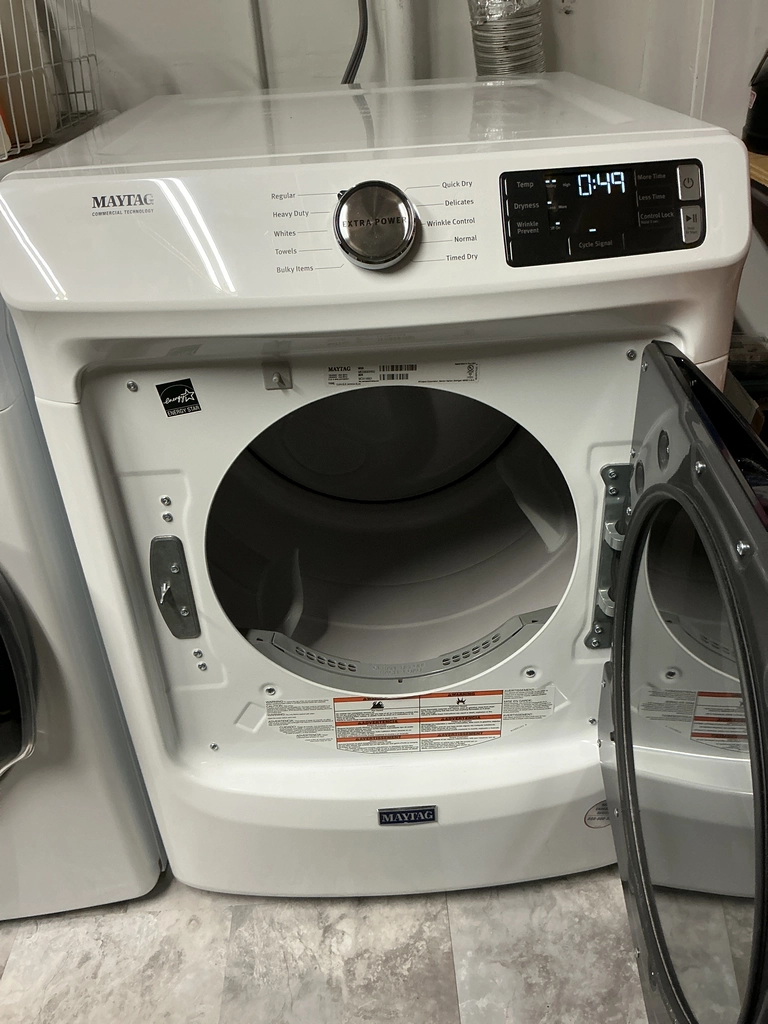
A washing machine that refuses to drain leaves you with a drum full of water, soaking wet clothes, and a pile of laundry waiting on the floor. This is one of the most disruptive appliance problems a homeowner can face. It also happens to be one of the most common reasons people search for washer repair.
The good news is that drainage problems have identifiable causes. A trained appliance repair technician can diagnose the issue quickly, often within the first visit. This guide explains what causes a washer to stop draining, what other problems may follow, and when to call DMV Appliance Care for professional washing machine repair.
Why Your Washer Is Not Draining
Several components work together to drain water from your washing machine. When any one of them fails, water stays in the drum. Here are the most common causes our technicians find.
Clogged Drain Pump Filter
Most front-load washers and many top-load models have a drain pump filter that catches lint, coins, buttons, and small debris before they reach the pump. Over time, this filter becomes clogged and restricts water flow. Cleaning the filter is a straightforward maintenance task, but many homeowners never know the filter exists.
A blocked filter often causes the washer to stop mid-cycle, display error codes, or drain very slowly. Regular cleaning every three to four months prevents this problem.
Faulty Drain Pump
The drain pump is a motorized component that forces water through the drain hose and out of the machine. When the pump motor fails, water has nowhere to go. You may hear the washer humming during the drain cycle without any water movement. That hum often means the pump is trying but failing to operate.
Drain pump replacement is one of the most common washer repair jobs our technicians perform. It requires disassembling part of the machine and testing the pump motor before installation.
Kinked or Blocked Drain Hose
The drain hose runs from the back of the washer to the standpipe or laundry sink. If this hose becomes kinked, bent, or clogged with debris, water cannot exit the machine. Checking the drain hose path and ensuring it is not pinched behind the appliance is a simple diagnostic step.
Lid Switch or Door Latch Failure
Top-load washers will not spin or drain if the lid switch fails. This safety feature prevents the machine from operating with an open lid. When the switch breaks internally, the washer thinks the lid is always open and refuses to advance to the drain and spin cycle.
Front-load washers use a door latch and lock mechanism instead. A faulty door latch produces similar symptoms and may also trigger error codes on the display panel.
Control Board Problems
In modern washing machines, the electronic control board manages every function including the drain cycle. A malfunctioning board may skip the drain cycle entirely or get stuck in a loop. Control board issues are often accompanied by unresponsive buttons, strange error codes, or the machine stopping at random points in the cycle.
Washer Not Spinning: A Related Problem
Drainage and spinning problems often appear together. If the washer cannot drain, it will not spin. But sometimes the washer drains normally and still refuses to spin. In these cases, the issue usually involves one of the following components.
- Worn or broken drive belt: the belt connects the motor to the drum
- Defective motor coupling: a plastic link between the motor and transmission in some top-loaders
- Failed motor control board: governs motor speed and direction
- Unbalanced load: heavy items distributed unevenly can trigger the washer’s balance sensors
- Damaged drum bearings: worn bearings produce loud grinding sounds and prevent smooth spinning
Washer Leaking Water
Water leaking from a washing machine creates an urgent situation. Water can damage flooring, subfloor material, walls, and cabinets in minutes. Common sources of washer leaks include a torn door gasket on front-load models, loose or cracked inlet hose connections, a damaged drain pump, or an overfilled drum.
If your washer is actively leaking, turn it off and disconnect the water supply immediately. Then call DMV Appliance Care for same-day washing machine repair.
Front Load vs. Top Load Washer Repair
Front-load washers typically cost more to repair than top-load models due to their complexity. The door gasket, bearings, and control board are the most frequently replaced components in front-loaders. Top-load washers more often need pump, lid switch, or agitator repairs.
Both types have a useful lifespan of 10 to 14 years. If your machine is within that range and showing repair needs, fixing it is almost always more economical than replacement.

Washing Machine Maintenance Tips
- Clean the drain pump filter every 3 to 4 months
- Run a cleaning cycle with a washer cleaner tablet monthly
- Check inlet hose connections twice per year for wear and leaks
- Leave the door or lid open after cycles to prevent mold growth
- Avoid overloading the drum, which strains the motor and bearings
- Use only HE detergent in high-efficiency machines to prevent excess suds
Ready to schedule a repair? Contact DMV Appliance Care today. We serve the entire DMV area (DC, Maryland & Virginia). Call us at +1 (703) 991-2298 for fast, same-day appliance repair.
Frequently Asked Questions About Washer Repair
Loud banging or grinding noises during spinning usually indicate worn drum bearings or an unbalanced load. Coin-sized objects like keys or coins trapped in the drum can also create significant noise. A technician can identify the source during a diagnostic visit.
Repair costs vary based on the part needed and the washer brand. Drain pump replacement, lid switch repair, and belt replacement are typically among the more affordable fixes. Bearing replacement and control board replacement carry higher part costs but are still far less expensive than purchasing a new appliance.
In most cases, yes. Our technicians carry common drain pumps, filters, and switches in their service vehicles. If the part is in stock, same-day repair is usually possible.